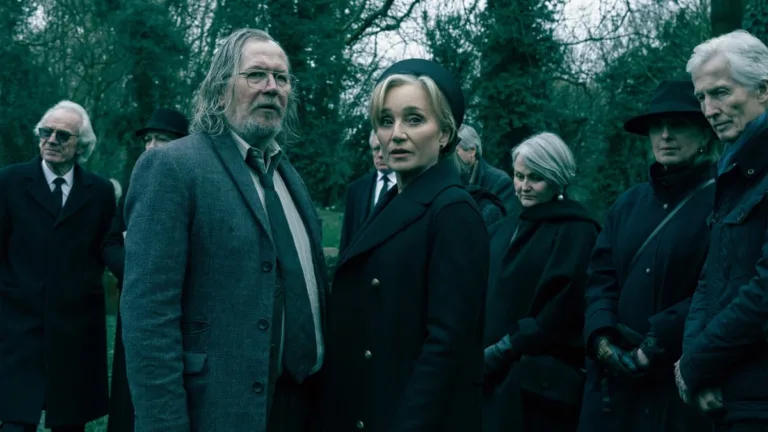
The Last House | Netflix
Do you remember those days when you simply couldn’t get yourself out of the door? It might have been because you had lost your keys, or you were running from your landlord, or it could even be that there was a sentient storm and a bunch of sea animals keeping everyone locked inside for the next five years. Relatable, right?
That’s the assumption Netflix is hoping will prove true with The Last House, Louis Leterrier’s latest horror film that premiered on the streaming service on August 7, 2026. Sure, on the face of it, it sounds like the kind of pitch that would make any executive pay attention: the Delgado family, consisting of Jason (Wagner Moura), Ann (Greta Lee), and their two children, wakes up one dreary morning in Seattle only to find out that they can’t get any doors, windows, or even the garage door to move. No warning, no monster banging on the walls, just… a house that has quietly decided nobody’s leaving. And it’s not for a weekend, either. It’s for five years. That’s not a home invasion movie, that’s a mortgage.
Unfortunately, a great elevator pitch and a great movie are two very different animals, and The Last House spends a lot of its 110-minute runtime forgetting which one it signed up to be.
The Last House Plot: Great Bones, Questionable Furniture
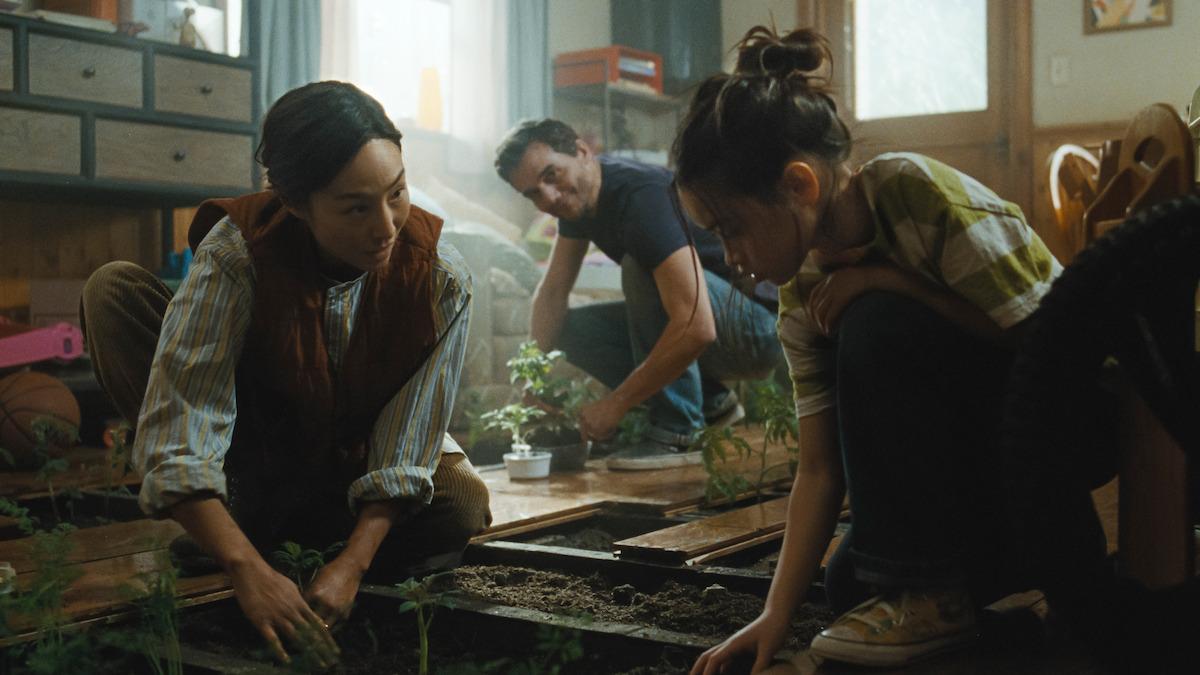
The story follows the Delgados as they realize their comfortable suburban home has become an inescapable box, and this is the detail that actually makes the movie interesting and stays that way for half a decade. Jason, an out-of-work engineer, MacGyvers together a rainwater collection system and a genuinely unhinged “chimney fishing” rig to drag stray animals down through the flue for food. Ann converts the living room into a subsoil vegetable garden. It’s less jump-scare horror and more extreme, high-stakes home renovation content, and there’s a grim, dark comedy lurking in just how resourceful this family has to become to survive something as mundane-sounding as “being stuck at home.”
It’s a fantastic hook, tapping into the same “what would you actually do” anxiety that made films like A Quiet Place and 10 Cloverfield Lane so effective, except stretched across years instead of days. There’s a genuine sense of a household straining and adapting under sustained pressure, the kids growing up without school, without friends, without the ordinary rhythms of childhood, all while something is very clearly watching from just outside the windows. This could have been one of the better horror surprises of the year if the slow-burning dread had persisted.
The Last House Review: Where It All Goes Sideways
The trouble is that The Last House is far more confident depicting the grinding, day-to-day horror of captivity than it is explaining what’s actually causing it. The culprits turn out to be a previously undiscovered species of deep-sea creatures who can manipulate water with unsettling precision, using saltwater almost like a weapon to destroy the family’s crops and freshwater supply whenever they get too comfortable. It’s a genuinely inventive bit of eco-horror world-building, humanity getting evicted by the ocean itself but the film gestures at these bigger ideas without ever quite committing to explaining them, leaving big chunks of the “why” frustratingly vague even by the credits.
It doesn’t help that the back half trades some of that slow-burn tension for a much more conventional creature-feature climax, complete with traps, harpoons, and a flooding, collapsing house. The shift from grounded family survival drama to full monster-movie mode is a jarring gear change, and the film’s messier, more chaotic filmmaking in these final stretches, something more than one review has flagged doesn’t do the story’s earlier patience any favors.
Then there’s the ending itself, which resolves things not through explanation but through mercy: young Ruth convinces her father to spare a captured creature rather than kill it, and in a genuinely “wait, that’s it?” beat this one act of kindness is apparently enough to make the creatures let the family go and retreat entirely. It’s a sweet sentiment. It’s also a conclusion that leaves the actual mystery of what these things wanted, and why five years of terrorizing this one family suddenly ends because a teenager asked nicely, hanging frustratingly in the air. The film leaves plenty of room open for more story, which tracks, since talk of a sequel is already floating around.
The Last House: What Actually Works
Let’s not bury the positives entirely under the rubble of a shaky third act, because there are things The Last House genuinely gets right:
- The cast is doing heavy lifting. Moura in particular sells the exhaustion, quiet desperation, and flickers of dark humor of a father improvising his family’s survival year after year, the kind of performance that makes you forgive the film a lot.
- The central metaphor has legs. A house that’s supposed to be a place of safety turning into a five-year prison is a genuinely potent, relatable bit of horror symbolism, and the film is at its best when it lingers on the toll that takes on the family’s two kids, who essentially grow up trapped.
- It never quite becomes boring, exactly it’s more that it becomes frustrating, which is a very different problem, but at least it’s not a total snooze.
The Last House Review: Final Verdict
“The Last House” is a film that has everything to do with making an outstanding picture except for one thing, it has lost itself somewhere along the line by opting for a quick fix resolution rather than sticking to its guns and going out on the kind of high it was building all along. It is the film version of cooking up something for a couple of years, only to have to finish it in a microwave in the last few minutes.
If you’re after a genuinely tense, well-sustained “trapped at home” horror experience, this isn’t quite it but if you want a mildly diverting Saturday-night watch with a fun, inventive hook and a “why not, it’s on Netflix anyway” energy, you could do worse. Just don’t expect all your questions to actually get answered.
About the Author